Showing posts with label treatment. Show all posts

Type 1 Vs Type 2 Diabetes


Google Image
What is the difference between Type 1 and Type 2?

Type 1 diabetes, in the past, was commonly referred to as juvenile onset. Those effected were commonly children and the reason for diagnosis are typically unexplained. Normal care for Type 1 is diet and exercise and always includes the use of Insulin, normally by injection through an insulin pump or syringes. There is no cure for individuals with the affliction.

Type 2 diabetes was commonly referred to as adult onset diabetes and often effects older adults who typically follow poor eating habits and do not exercise throughout their lives. Often this type is hereditary. Type 2, in many cases, can be cured with a lifestyle change which brings about better eating habits and regular exercise. Normal care for Type 2, like Type 1, also includes diet and exercise, but may include insulin injections or pills.

When I was a child I remember learning a comparison that I never forgot. I can't remember where I learned it, but it was likely in one of the many handouts I received from my doctor or some diabetic group I was involved in, so I can't take the credit for it. The idea is: Type 1 diabetes occurs when the pancreas either does not create insulin cells or creates cells which are dead. Thereby the body has no insulin at it's disposal. Type 2 diabetes occurs when the pancreas creates insulin cells which are tired or old (I often picture the cells with little wooden walking sticks trying to get around the body). The cells are only able to do so much in a Type 2 diabetic because the individual has worn out it's body's ability to care for itself. Although not always, often the individual has followed a poor lifestyle for so long the body can no longer care for itself.

All that being said, the trend for disease is becoming much worse, and more aggressive among those affected by diabetes.

The British Journal of Diabetes drafted an article explaining the decreased age of onset for Type 2 diabetes, a previously categorized adult disease. This statement provides a poor outlook for our populous in general, but with small steps such as adding 30 minutes of exercise per day for both children and adults, and eating better, we can all make a big difference. I challenge each of us to make one change a week, I think you will be happy with the outcome!

Monitoring,treatment and detection of type 2 diabetes

Google Image
It is important for regularly monitoring and treat type 2 diabetes as it is a progressive disease. This disease will continue to progress till it is treated. Major effect of type 2 diabetes are skin, eye and foot problems.

1. Detection. Doctors recommend getting tested for diabetes at your annual physical. There are a few different tests that are done to detect Type 2 diabetes. These tests are...
  • HbA1c,
  • Fasting Plasma Glucose (FPG),
  • Oral Glucose Tolerance Test (OGTT), and
  • Random Plasma Glucose Test.
Usually these tests are repeated at least two times to give accurate results. The results of the test will come out as normal, prediabetes, or Type 2 diabetes. Most people develop prediabetes before developing full-blown diabetes. Prediabetes means that blood sugar levels are higher than normal, but not high enough to be considered diabetes. Being told you have prediabetes is a good chance to make changes that will lower your blood sugar and decrease your chances of developing Type 2 diabetes.

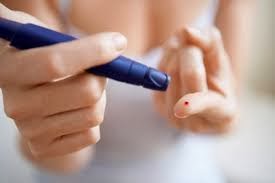
2. Monitoring. If you have diabetes, you most likely need to measure your blood sugar throughout the day. This is the main way you'll monitor your condition. This is usually done through pricking your finger with a lancing device and measuring the sugar level of the drop of blood. Depending...
  • on your age,
  • how long you've had diabetes, and
  • other conditions,
you'll have different targets for your blood sugar results. The targets will also be different depending on the time of day and if it's before or after a meal. The results should then be recorded - either tracked online or written in a log. This record will help your doctor make changes to your treatment if needed.

3. Treatment.
  • diet and exercise: The first step to treating diabetes is usually meal planning, exercise, and weight loss. Some people with Type 2 diabetes can manage it with diet and exercise alone. Other people will need to take medications or insulin to help manage blood sugar levels.
  • oral medications: There are lots of different types of medications doctors can prescribe for diabetes. They work in different ways, including making the cells in the pancreas release more insulin, decreasing the amount of glucose produced by the liver, and making the kidneys excrete more sugar. The type of medication you are prescribed will depend on your unique needs.
  • insulin: If your body isn't using its own insulin correctly, you made need to take insulin. Taking insulin helps your body use sugar for energy. Insulin has to be injected in the skin in order for it to reach the blood. There are several types of insulin that come in different strengths and work for different lengths of time. Most Type 2 diabetics who take insulin need one injection per day.
At the end of the day, you need to consult your doctor if your are diagnose with type 2 diabetes. Manage your eating plan and eat healthier.


Type 2 Diabetes:Protect your Eyesight

Eyesight malfunction is one of the major complications or effect of type 2 diabetes. It is because of the high blood sugar and seriosly will cause some problems to the blood vessels of the eye.

Here are some problems that have been diagnose with type 2 diabetes:

Google Image
1. Diabetic Retinopathy. Many people with Type 2 diabetes eventually develop retinopathy which is damage to the retina of the eye. Retinopathy happens when the small blood vessels that supply the retina are damaged. The blood vessels become blocked and fluid leaks out into the retina. The retina swells, resulting in blurred vision.

Retinopathy may be mild, or it can be severe and even lead to blindness. Fortunately, the better you control your blood sugar, the less likely you are to develop damage to your retina, and if you do develop problems they will be milder.

2. Cataracts are more common in people with diabetes. They happen when fluid gets trapped in the front of the eye and forms a cloudy area. This causes blurred or glared vision. Mild cataracts can be treated by wearing sunglasses and wearing glasses with a glare-control lens. Surgery is usually carried out for more severe cataracts.

3. Glaucoma is also more common in those with diabetes. Glaucoma occurs when pressure builds up in the eye and pinches the small blood vessels. The decreased blood supply damages the retina and the nerves of the eye. Glaucoma can be treated by medications or surgery, depending on how severe it is.

Sometimes, these eye problems can start developing without any symptoms. This is why it's important to have regular eye exams. It's usually recommended to have an eye exam and retinal screening once a year. This will look for any damage to the retina that is developing. Eye problems can be treated much better if they are caught early. If retinopathy is diagnosed early on, 90% of cases of blindness can be prevented.
The good news is managing your blood sugar well helps prevent eye problems. You can manage your blood sugar with diet and exercise, oral medications, and/or insulin injections.
There are other steps you can take that also lower your risk of developing eye problems...
  • avoiding smoking helps and is in general a good idea for people who have been diagnosed with diabetes. It only hastens your vision loss because of free-radical damage to delicate eye capillaries.
  • controlling your blood pressure and cholesterol levels can help keep blood vessels healthy and prevent eye problems.
So, to protect your eyesight, please consult your doctor. Other than that, manage your eating plan and eat healthier that will helps you to control your blood sugar, blood pressure and cholesterol levels.


Sudden Diabetes Threat

According to a study from France, the more red meat you eat, the more you may increase your risk of developing type 2 diabetes.

For 14 years, researchers in Paris followed more than 66,000 women who were participating in a long-running study of cancer and nutrition, and observed them for new cases of diabetes. More than 1,300 women in the study developed the disease within the 14 years.

Google Image
The researchers reported that women in the top 25 percent for "potential renal acid load" - the potential impact of protein from meat and dairy products on kidney and urine acid levels - had a 56 percent increased risk of developing type 2 diabetes compared to those in the bottom 25 percent. Surprisingly, women of normal weight in the top 25 percent had a 96 percent increased risk compared to a 28 percent increased risk for overweight women in the top 25 percent.

Results of another test, net endogenous acid production, showed a similar increased risk for developing type 2 diabetes with a higher acid load. The researchers reported that the risk persisted after adjusting for other dietary patterns, meat consumption and the amount of fruit, vegetables, coffee and sweetened beverages the women ate. Fruits and vegetables are alkaline and can neutralize acidity.

The French researchers concluded that excess acid can lead to serious metabolic complications, which then reduces the body's ability to regulate insulin levels, leading to diabetes.

My take? The body regulates its acid-base balance very carefully, and the "acid" foods we are talking about here (those that contributes to urine acidity) should not be confused with the special diets or "alkaline water" promoted by internet marketers.

While results of this study must be confirmed in other populations, the findings suggest that a shift in the western diet toward more fruits and vegetables and away from meat and dairy products could help reduce the risk of type 2 diabetes.

A study from Singapore published this year (2013) found that an increased intake of red meat over four years was associated with higher risk of type 2 diabetes during the subsequent four years.

The study also shows that it is more risk if you consume more processed red meat (more than half a serving plate).

Higher Dietary Acid Load Increases Diabetes Risk


Overall acidity of the diet increases the risk of type 2 diabetes, shows study. The findings, are published in Diabetologia, the journal of the European Association for the Study of Diabetes (EASD), and is by Dr Guy Fagherazzi and Dr Françoise Clavel-Chapelon, Center for Research in Epidemiology and Population Health, INSERM, Paris, France, and colleagues.

Google Image
A western diet rich in animal products and other acidogenic foods can induce an acid load that is not compensated for by fruit and vegetables; this can cause chronic metabolic acidosis and lead to metabolic complications. Most importantly from a blood-sugar control perspective, increasing acidosis can reduce the ability of insulin to bind at appropriate receptors in the body, and reduce insulin sensitivity. With this in mind, the authors decided to analyse whether increased acidosis caused by dietary acid loads increased the risk of type 2 diabetes. A total of 66,485 women from the E3N study (the French Centre of the European Prospective Investigation into Cancer and Nutrition, a well-known ongoing epidemiological study) were followed for new diabetes cases over 14 years. Their dietary acid load was calculated from their potential renal acid load (PRAL) and their net endogenous acid production (NEAP) scores, both standard techniques for assessing dietary acid consumption from nutrient intake.

During follow-up, 1,372 new cases of incident type 2 diabetes occurred. In the overall population, those in the top 25% (quartile) for PRAL had a 56% increased risk of developing type 2 diabetes compared with the bottom quartile. Women of normal weight (BMI of 25 and under) had the highest increased risk (96% for top quartile versus bottom) while overweight women (BMI 25 and over) had only a 28% increased risk (top quartile versus bottom). NEAP scores showed a similar increased risk for higher acid load. The authors say: "A diet rich in animal protein may favour net acid intake, while most fruits and vegetables form alkaline precursors that neutralise the acidity. Contrary to what is generally believed, most fruits such as peaches, apples, pears, bananas and even lemons and oranges actually reduce dietary acid load once the body has processed them.

"In our study, the fact that the association between both PRAL and NEAP scores and the risk of incident type 2 diabetes persisted after adjustment for dietary patterns, meat consumption and intake of fruit, vegetables, coffee and sweetened beverages suggests that dietary acids may play a specific role in promoting the development of type 2 diabetes, irrespective of the foods or drinks that provide the acidic or alkaline components." They conclude: "We have demonstrated for the first time in a large prospective study that dietary acid load was positively associated with type 2 diabetes risk, independently of other known risk factors for diabetes. Our results need to be validated in other populations, and may lead to promotion of diets with a low acid load for the prevention of diabetes. Further research is required on the underlying mechanisms." -source

Researchers close in on cure for Type 1 diabetes


Scientists may be getting closer to finding a stem cell cure for Type 1 diabetes—the type that may require insulin injections for life—after conducting stem cell transplants on mice.
A group of researchers in California said they managed to reverse the equivalent of Type 1 diabetes in mice by transplanting stem cells.
"Here, we describe a stepwise method in which pluripotency reprogramming factors were transiently expressed in fibroblasts in conjunction with a unique combination of soluble molecules to generate definitive endoderm-like cells that did not pass through a pluripotent state. These endoderm-like cells were then directed toward pancreatic lineages using further combinations of small molecules in vitro," they said.
They added the resulting pancreatic progenitor-like cells "could mature into cells of all three pancreatic lineages in vivo, including functional, insulin-secreting β-like cells that help to ameliorate hyperglycemia."
"Our findings may therefore provide a useful approach for generating large numbers of functional β cells for disease modeling and, ultimately, cell-based therapy," they said.
Authors of the paper include Ke Li, Saiyong Zhu, Holger A. Russ, Shaohua Xu, Tao Xu, Yu Zhang, Tianhua Ma, Matthias Hebrok, and Sheng Ding.
A separate report on UK's The Guardian said the researchers' experiments replaced cells in the pancreas unable to make insulin after being damaged by diabetes.
Without insulin, the body will have a hard time absorbing sugars such as glucose from blood. Presently, glucose levels can be monitored and regulated with insulin injections.
The researchers from the Gladstone Institutes in San Francisco collected skin cells (fibroblasts) from laboratory mice and treated them with a mix of molecules and reprogramming factors.
The cells were transformed into endoderm-like cells, the type that eventually mature into the body's major organs including the pancreas.
Li, the lead author, said they used another chemical cocktail to turn these endoderm-like cells into cells that mimicked early pancreas-like cells (PPLCs).
"Our initial goal was to see whether we could coax these PPLCs to mature into cells that, like ß-cells, respond to the correct chemical signals and – most importantly – secrete insulin. And our initial experiments, performed in a petri dish, revealed that they did," Li said.
When the team injected these cells into mice genetically modified to have high glucose levels to mimic the Type 1 diabetes in humans, the mice's glucose levels started to decrease and approach normal levels "just one week post-transplant."
"And when we removed the transplanted cells, we saw an immediate glucose spike, revealing a direct link between the transplantation of the PPLCs and reduced hyperglycemia [high glucose level]," Li said.
Even better, the researchers found the pancreas-like cells turned into fully functional insulin-secreting ß-cells, eight weeks after the transplantation.
"I am particularly excited about the prospect of translating these findings to the human system. Most immediately, this technology in human cells could significantly advance our understanding of how inherent defects in ß-cells result in diabetes, bringing us notably closer to a much-needed cure," said Matthias Hebrok, one of the study's authors and director of the UCSF Diabetes Center.

Learning Prediabetis

What is Prediabetis?

When peoples develop type 2 diabetes, they practically dependably have "prediabetes" — blood glucose levels that are higher than ordinary not yet sufficiently high to be diagnosed as diabetes.

Specialists in some cases allude to prediabetes as impeded glucose tolerance (IGT) or disabled fasting glucose (IFG), contingent upon what test was utilized when it was distinguished. This condition puts you at a higher hazard for improving sort 2 diabetes and cardiovascular illness .

There are no reasonable indications of prediabetes, in this way, you may have it and not know it.

Some individuals with prediabetes may have a percentage of the indications of diabetes or even issues from diabetes recently. You generally figure out that you have prediabetes when being tried for diabetes.

If  you have prediabetes, you could go for checkedup for type 2 diabetes each one to two years.

Results for prediabetis:
Results indicating prediabetes are:
  • An A1C of 5.7% – 6.4%
  • Fasting blood glucose of 100 – 125 mg/dl
  • An OGTT 2 hour blood glucose of 140 mg/dl – 199 mg/dl
- See more at: http://www.diabetes.org/diabetes-basics/diagnosis/#sthash.nO4UvfI3.dpuf
Results indicating prediabetes are:
  • An A1C of 5.7% – 6.4%
  • Fasting blood glucose of 100 – 125 mg/dl
  • An OGTT 2 hour blood glucose of 140 mg/dl – 199 mg/dl
- See more at: http://www.diabetes.org/diabetes-basics/diagnosis/#sthash.nO4UvfI3.dpuf
Results indicating prediabetes are:
  • An A1C of 5.7% – 6.4%
  • Fasting blood glucose of 100 – 125 mg/dl
  • An OGTT 2 hour blood glucose of 140 mg/dl – 199 mg/dl
- See more at: http://www.diabetes.org/diabetes-basics/diagnosis/#sthash.nO4UvfI3.dpuf
Results indicating prediabetes are:
  • An A1C of 5.7% – 6.4%
  • Fasting blood glucose of 100 – 125 mg/dl
  • An OGTT 2 hour blood glucose of 140 mg/dl – 199 mg/dl
- See more at: http://www.diabetes.org/diabetes-basics/diagnosis/#sthash.nO4UvfI3.dpuf
   -  An A1C of 5.7% – 6.4%
   -  Fasting blood glucose of 100 – 125 mg/dl
   -  An OGTT 2 hour blood glucose of 140 mg/dl – 199 mg/dl

Results also shows that you can prevent your type 2 diabetes by 58% by:

- Losing 7% of your body weight (or 15 pounds if you weigh 200 pounds)
- Exercising moderately (such as brisk walking) 30 minutes a day, five days a week

Diagnosis

There are some approaches to diagnose diabetes. Every way generally needs to be rehashed on a second day to diagnose diabetes. Testing ought to be done in a human services setting, (for example, your specialist's office or a lab). Assuming that your specialist verifies that your blood glucose level is quite high, or when you have excellent manifestations of high blood glucose notwithstanding one positive test, your specialist may not oblige a second test to diagnose diabetes.

<span class='tooltip' style='z-index: 1000;'>A1C<span class='definition'>A1C is a test that measures a person's average blood glucose level over the past 2 to 3 months. Hemoglobin (HEE-mo-glo-bin) is the part of a red blood cell that carries oxygen to the cells and sometimes joins with the glucose in the bloodstream. Also called hemoglobin A1C or glycosylated (gly-KOH-sih-lay-ted) hemoglobin, the test shows the amount of glucose that sticks to the red blood cell, which is proportional to the amount of glucose in the blood.<span class='close-tooltip'>X</span></span></span>FPGOGT
There are several ways to diagnose diabetes. Each way usually needs to be repeated on a second day to diagnose diabetes. Testing should be carried out in a health care setting (such as your doctor’s office or a lab). If your doctor determines that your blood glucose level is very high, or if you have classic symptoms of high blood glucose in addition to one positive test, your doctor may not require a second test to diagnose diabetes. - See more at: http://www.diabetes.org/diabetes-basics/diagnosis/#sthash.nO4UvfI3.dpuf

The A1C test measures your average blood glucose for the past 2 to 3 months. The advantages of being diagnosed this way are that you don't have to fast or drink anything. - See more at: http://www.diabetes.org/diabetes-basics/diagnosis/#sthash.nO4UvfI3.dpuf
 The A1C test measures your average blood glucose for the past 2 to 3 months. The advantages of being diagnosed this way are that you don't have to fast or drink anything. ( blood glucose equal or greater than 6.5%)

FPG test checks your fasting blood glucose levels. Fasting means after not having anything to eat or drink (except water) for at least 8 hours before the test. This test is usually done first thing in the morning, before breakfast. (blood glucose equal or greater than 126mg/dl)

The OGTT is a two-hour test that checks your blood glucose levels before and 2 hours after you drink a special sweet drink. It tells the doctor how your body processes glucose. (blood glucose equal or greater than 200mg/dl)

  • Losing 7% of your body weight (or 15 pounds if you weigh 200 pounds)
  • Exercising moderately (such as brisk walking) 30 minutes a day, five days a week
  • - See more at: http://www.diabetes.org/diabetes-basics/diagnosis/#sthash.nO4UvfI3.dpuf

    The A1C test measures your average blood glucose for the past 2 to 3 months. The advantages of being diagnosed this way are that you don't have to fast or drink anything. - See more at: http://www.diabetes.org/diabetes-basics/diagnosis/#sthash.nO4UvfI3.dpuf

    How To Treat Diabetes Symptoms In Emergency Situations

    Natural disaster can strike at anytime. Severe weather affects us all. For those with Diabetes, these natural disasters that are major inconveniences for most of us can be life threatening situations. If you or a loved one has Diabetes, there are a few precautions you should take so that you are prepared in times of disaster.
    " First and Foremost, pack an emergency kit with enough supplies to last for a minimum of one week. Your emergency supplies should include the following items.

    *Medical supplies including tissues, rubbing alcohol, syringes, cotton balls, testing strips, blood glucose meters and any other items you use in day to day management of your diabetes. In addition, it is a good idea to include a pencil and notebook for tracking your blood sugar levels. Be prepared for emergencies by planning to store your insulin or other medications in a cooler. By keeping ice or freezer packs on hand, you will always be prepared in the event of a power failure disabling your refrigerator.

    *Keep plenty of non-perishable drinks and snacks on hand. Bottled water, granola bars, canned nuts, peanut butter crackers, dry cereal, juice boxes or other snacks that you have found useful in controlling your blood sugar level should be kept with your emergency supplies. Plan ahead by realizing that your body may require more food at times when your activity or stress level is increased.

    *The regular emergency items found in most disaster kits such as a first-aid kit, whistle, candles, matches, gloves, flashlight and radio with spare batteries. These items can be a major comfort in times of disaster.

    * Copies of your updated medical records are a great idea as well. By packing copies of your insurance card and prescriptions in a waterproof plastic bag,along with a list of your health care providers and emergency contacts, you will be prepared should you need medical attention. It is also imperative to remember copies of your diabetic children's medical records, particularly if they are of school age and may be at school rather than home in the event of an emergency.

    After assembling an emergency kit, store it in a suitable place where it can be safely accessed in a time of need. Notify everyone in the house of the exact location, along with relatives, friends and neighbors who may need to assist you in an emergency. Do a thorough inspection of the supplies at least annually, updating medical records and replacing items that are past their expiration dates, as needed.

    " Make sure other people know you are a diabetic.

    If you are forced to evacuate to a shelter or other location, identify yourself as a diabetic as well as relating any related complications. By sharing this information immediately you are more likely to get the medical attention you need. As an extra precaution, it is a very good idea to wear some type of medical alert jewelry at all times.

    " Keep your medications safe.

    Insulin should be kept as cool as possible without freezing, as well as being protected from direct heat and sunlight. Extremes of temperature and humidity can affect medications, blood glucose monitors and test strips so these items should be kept in temperature regulated areas as much as possible. Package inserts and medication containers should be kept for reference and it is a good idea to check for information on how to use these items in emergency or survival situations. As long as you possess the original prescription containers, you might be able to get refills of your medicine without a prescription in times of disaster. Dispose of any medications contaminated by flood water or other sources of contamination. The only exception to this rule is the case of life saving medications. If the pills are still dry and clean, it is probably safe to use them until you can find replacements.

    " Dehydration can be deadly.

    High blood sugar can quickly lead to dehydration and if you have been exposed to high temperatures, sweating will quickly cost you precious body fluids. Be prepared to boil drinking water if possible. If this is not an option, the water in your emergency kit may very well save your life. In addition to your bottled water supply, use bottled drinks that don't include sugar or other carbohydrates that might adversely effect your blood glucose levels.

    " Prevent is the best medicine.

    Diabetes causes severe problems with blood flow in the body and makes it very difficult for you to recover after suffering a wound or a bout of infection. For this reason it is imperative to avoid being injured. Especially in the unsanitary conditions that often follow natural disasters, you should check your feet daily for sores, cuts and blisters. Keep an alert eye for signs of infection, such as swelling, redness or discharge from a cut and seek medical treatment immediately if you notice any of these problems. Early treatment of your injuries may save your life by preventing infections.

    " Wash your hands.

    Washing your hands is the most important thing you can do to preserve your health in an emergency situation. Be sure to wash your hands often and after any situation that could cause even a slight level of contamination. Hand washing is especially important before administering any of your medications or eating as this will do much to keep you healthy until the disaster has passed.

    Manage your Diabetes Smartly

    It is frequently exceptionally challenging to come clean, and considerably more troublesome for individuals who come to hear reality. Surmise that the dedication to an alternate routine can provide for them you an improved life, who might not have been conceivable when you have not been diagnosed with diabetes. It's actual, you can carry on with the exceptional existence with diabetes. We should examine what you can do to enhance diabetes administration, and your life:


    Manage your Diabetes Smartly.


    Explore in New Fruits and Vegetables: Diabetic people ordinarily polish additional safety measure of their admission. Heaps of leafy foods, which might be devoured in diabetic people. There is no damage asking your market or on the Internet because of these variables. Go ahead! Attempt another vegetable or soil grown foods one year from now! The new plant consistently, slanted to solace your taste buds. You need to give up an excess of nourishment decisions!

    Create joins with People: Diabetes carries with it a piece of despondency. You can contact these neighborhood help supportive networks by reaching the nearby social specialist or the nearby doctor's facility power. Online help likewise gives fabulous administrations 24x7 premise.

    Be that as it may this may would appear that a ton of the normal individual. In this way, 10 minutes of energetic strolling three times each day and five times each week may prescribe.

    Look after a stringent administration. It bodes well they are enjoying sugary snacks, in the event that they are not at your fingertips!

    Help Others: You may be battling with diabetes, however in the event that you extend the help and help others, then you can include your motivational levels. You can join any help supportive network to help and exhort other diabetic people who are searching for somebody to you. Take part in raising support projects and spread the expressions of consideration and mindfulness.

    Head off to Stem Testing: Frequent tests that tells you about the form's reaction to certain sustenances and exercises. Knowing your glucose number might permit you to look after more amazing control over the numbers. Make your glucose level is regularly the way! There are different supplies and diabetes testing machines for the consistent discovery and examination of diabetes.

    Visit your specialist: You may as well visit your specialist consistently to maintain a strategic distance from a crisis.

    Gain new learning: Numerous studies are underway in health, and different overhauls to the medicine of diabetes are additionally advancing. Stay caution and stay tuned. Search the pages of health magazines and invest some opportunity before the TV viewing the show gave to health issues, for example, diabetes to keep themselves upgraded on the most recent.

    You can stay informed regarding your glucose level by utilizing diabetes testing machine every once in a while.

    Treatment of Diabetes

    Diabetes is viewed as a genuine love because of its lasting presence, techniques and besides the difficulties that includes. In spite of the fact that numerous individuals everywhere throughout the planet experience the ill effects of diabetes, the masters asylum t ran across yet the genuine wellspring of its event. It is exceptionally essential to say that individuals who experience the ill effects of diabetes may as well request medicinal help when they recognize changes in their physique and surprising manifestations.


    Considerably more, diabetes can accelerate extreme health confusions, for example, coronary illness, kidney disappointment, lack of sight, easier furthest point severings and by and large even expiration.

    Besides, individuals who notice certain side effects which show the vicinity of diabetes might as well see a doctor so as to get a legitimate judgment. A portion of the most widely recognized indications which demonstrate the vicinity of diabetes are: over the top yearning and thirst, regular pee, memorable weight reduction, absence of vigor, dry skin, wounds that recuperate quite hard and even queasiness and stomach torments, side effects which normally happen in type 1 diabetes.

    Considerably more, type 1 diabetes has a tendency to be a greater number of genuine than type 2 diabetes and normally happens throughout the adolescence.

    The variables which cause type 1 diabetes aren t actually known yet it has been viewed as that hereditary inclination and ecological elements, for example, viral contaminations may have a paramount impact. Then again, type 2 diabetes otherwise called non-insulin-subordinate diabetes mellitus (NIDDM) or mature person onset diabetes. This sort of diabetes may show up because of certain components, for example, more senior age, heftiness, impeded glucose tolerance, family history of diabetes, physical inertia, earlier history of gestational diabetes and different elements.


    Therapeutic medicines for diabetes are basic for the form and incorporate essential changes in the lifestyle. Diabetes medicines have a tendency to development in a brief time and their part is to support blood glucose close ordinary levels constantly. Case in point, type 1 diabetes, the most extreme sort obliges an extensive variety of systems. Individuals who experience the ill effects of this sort of diabetes need an uncommon medicine which incorporate: organization of insulin infusions, home blood glucose testing numerous times each day, a certain, ascertained eating methodology and additionally arranged physical activities.

    To deal with the individuals who experience the ill effects of diabetes, the diabetes neighborhood offers, sought after by the US Departament of Health and Human Services offer three alternatives: anticipate diabetes, cure diabetes and in addition taking better mind of individuals with diabetes to forestall tragic inconveniences.

    With everything taken into account, in spite of the fact that diabetes has a tendency to be a serious disease, the science attempt to run across and subsequently to use in practice numerous routines to cure diabetes, for example, pancreas transplantation, counterfeit pancreas improvement, islet cell transplantation and hereditary control.

    FDA supports new medication for medicine of type 2 diabetes

    Farxiga or dapaglifozin approved to help treat adults with type 2 diabetes. The tablets, in combination with diet and exercise, will improve control of blood sugar levels.


    Commenting on the drug approval, Dr. Curtis Rosebraugh, director of the Office of Drug Evaluation II at the FDA's Center for Drug Evaluation and Research, says:

    "Controlling blood sugar levels is very important in the overall treatment and care of diabetes, and Farxiga provides an additional treatment option for millions of Americans with type 2 diabetes."

    READ MORE

    Diabetes - Back to Basics

    Diabetes is a disease that can cause genuine health inconveniences incorporating coronary illness, visual impairment, kidney disappointment, and easier limit excising. Diabetes is the sixth heading reason for expiration in the US. Also most diabetics advance coronary illness. Indeed, simply having diabetes conveys the same danger of showing some kindness assault as somebody who has recently had such an occasion. Hence it is extremely imperative for patients that have diabetes to likewise have a doctor that nearly screens and treats their cholesterol levels and additionally their circulatory strain. Moreover, any utilization of tobacco items reproduces the dangers and ought to be halted.


    Are there various types of diabetes?

    Surely. In any case the fundamental characteristics of the malady are same. Notwithstanding when you think about the illness diabetes as including a locking gas top on your auto, it will be less demanding to get it.

    When you see how a locking gas top lives up to expectations, then you can see how diabetes functions. In this way, just a couple of the units could be opened and opened to put the glucose (fuel) inside. Something else that happens is that a portion of the locks on the units get corroded and won't work fittingly. The aftereffect of the greater part of this is abundance glucose in your blood.

    Types Of Diabetes.

    Type 1 diabetes is generally diagnosed in youngsters and adolescent mature people and records for 5-10% of diabetes patients.


    Type 2 diabetes is the most widely recognized manifestation of the infection. It represents 90-95% of every last one of instances of diabetes.


    Different sorts of diabetes which represent a little number of the instances of diabetes incorporate gestational diabetes, which is a sort of diabetes that just pregnant ladies get. Different sorts of diabetes coming about because of particular hereditary syndromes, surgery, drugs, ailing health, contaminations, and different ailments may represent 1% to 2% of all instances of diabetes.

    There are danger calculates that expand your shot of improving diabetes. Danger components for sort 2 diabetes incorporate more advanced in years age, weight, family history of diabetes, former history of gestational diabetes, impeded glucose tolerance, physical dormancy, and race/ethnicity. Danger elements are less generally characterized for sort 1 diabetes than for sort 2 diabetes, however immune system, hereditary, and ecological variables are included in improving this kind of diabetes.

    They may have SOME or NONE of the accompanying side effects: regular pee, unnecessary thirst, unexplained weight reduction, amazing yearning, sudden vision changes, shivering or deadness in hands or feet, feeling extremely tired a significant part of the time, exceptionally dry skin, bruises that are moderate to mend, a greater number of contaminations than typical. Sickness, spewing, or stomach agonies may go hand in hand with some of these manifestations in the sudden onset of sort 1 diabetes.

    So i should simply stay away from sweets, isn't that so?


    The fact of the matter is, most nourishment, and the sum of the sugars you consume, are broken down into its easiest structure, glucose. As sustenance touches base in your stomach, the harsh corrosive begins to separate the nourishment quickly. When your gastrointestinal framework separates your nourishment into something your physique can use, the blood lifts it up and conveys it to your cells to for vigor.