Showing posts with label diabetic. Show all posts

Type 1 Vs Type 2 Diabetes


Google Image
What is the difference between Type 1 and Type 2?

Type 1 diabetes, in the past, was commonly referred to as juvenile onset. Those effected were commonly children and the reason for diagnosis are typically unexplained. Normal care for Type 1 is diet and exercise and always includes the use of Insulin, normally by injection through an insulin pump or syringes. There is no cure for individuals with the affliction.

Type 2 diabetes was commonly referred to as adult onset diabetes and often effects older adults who typically follow poor eating habits and do not exercise throughout their lives. Often this type is hereditary. Type 2, in many cases, can be cured with a lifestyle change which brings about better eating habits and regular exercise. Normal care for Type 2, like Type 1, also includes diet and exercise, but may include insulin injections or pills.

When I was a child I remember learning a comparison that I never forgot. I can't remember where I learned it, but it was likely in one of the many handouts I received from my doctor or some diabetic group I was involved in, so I can't take the credit for it. The idea is: Type 1 diabetes occurs when the pancreas either does not create insulin cells or creates cells which are dead. Thereby the body has no insulin at it's disposal. Type 2 diabetes occurs when the pancreas creates insulin cells which are tired or old (I often picture the cells with little wooden walking sticks trying to get around the body). The cells are only able to do so much in a Type 2 diabetic because the individual has worn out it's body's ability to care for itself. Although not always, often the individual has followed a poor lifestyle for so long the body can no longer care for itself.

All that being said, the trend for disease is becoming much worse, and more aggressive among those affected by diabetes.

The British Journal of Diabetes drafted an article explaining the decreased age of onset for Type 2 diabetes, a previously categorized adult disease. This statement provides a poor outlook for our populous in general, but with small steps such as adding 30 minutes of exercise per day for both children and adults, and eating better, we can all make a big difference. I challenge each of us to make one change a week, I think you will be happy with the outcome!

Monitoring,treatment and detection of type 2 diabetes

Google Image
It is important for regularly monitoring and treat type 2 diabetes as it is a progressive disease. This disease will continue to progress till it is treated. Major effect of type 2 diabetes are skin, eye and foot problems.

1. Detection. Doctors recommend getting tested for diabetes at your annual physical. There are a few different tests that are done to detect Type 2 diabetes. These tests are...
  • HbA1c,
  • Fasting Plasma Glucose (FPG),
  • Oral Glucose Tolerance Test (OGTT), and
  • Random Plasma Glucose Test.
Usually these tests are repeated at least two times to give accurate results. The results of the test will come out as normal, prediabetes, or Type 2 diabetes. Most people develop prediabetes before developing full-blown diabetes. Prediabetes means that blood sugar levels are higher than normal, but not high enough to be considered diabetes. Being told you have prediabetes is a good chance to make changes that will lower your blood sugar and decrease your chances of developing Type 2 diabetes.

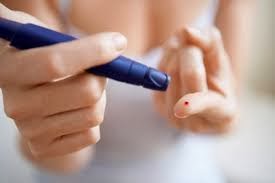
2. Monitoring. If you have diabetes, you most likely need to measure your blood sugar throughout the day. This is the main way you'll monitor your condition. This is usually done through pricking your finger with a lancing device and measuring the sugar level of the drop of blood. Depending...
  • on your age,
  • how long you've had diabetes, and
  • other conditions,
you'll have different targets for your blood sugar results. The targets will also be different depending on the time of day and if it's before or after a meal. The results should then be recorded - either tracked online or written in a log. This record will help your doctor make changes to your treatment if needed.

3. Treatment.
  • diet and exercise: The first step to treating diabetes is usually meal planning, exercise, and weight loss. Some people with Type 2 diabetes can manage it with diet and exercise alone. Other people will need to take medications or insulin to help manage blood sugar levels.
  • oral medications: There are lots of different types of medications doctors can prescribe for diabetes. They work in different ways, including making the cells in the pancreas release more insulin, decreasing the amount of glucose produced by the liver, and making the kidneys excrete more sugar. The type of medication you are prescribed will depend on your unique needs.
  • insulin: If your body isn't using its own insulin correctly, you made need to take insulin. Taking insulin helps your body use sugar for energy. Insulin has to be injected in the skin in order for it to reach the blood. There are several types of insulin that come in different strengths and work for different lengths of time. Most Type 2 diabetics who take insulin need one injection per day.
At the end of the day, you need to consult your doctor if your are diagnose with type 2 diabetes. Manage your eating plan and eat healthier.


Type 2 Diabetes:Protect your Eyesight

Eyesight malfunction is one of the major complications or effect of type 2 diabetes. It is because of the high blood sugar and seriosly will cause some problems to the blood vessels of the eye.

Here are some problems that have been diagnose with type 2 diabetes:

Google Image
1. Diabetic Retinopathy. Many people with Type 2 diabetes eventually develop retinopathy which is damage to the retina of the eye. Retinopathy happens when the small blood vessels that supply the retina are damaged. The blood vessels become blocked and fluid leaks out into the retina. The retina swells, resulting in blurred vision.

Retinopathy may be mild, or it can be severe and even lead to blindness. Fortunately, the better you control your blood sugar, the less likely you are to develop damage to your retina, and if you do develop problems they will be milder.

2. Cataracts are more common in people with diabetes. They happen when fluid gets trapped in the front of the eye and forms a cloudy area. This causes blurred or glared vision. Mild cataracts can be treated by wearing sunglasses and wearing glasses with a glare-control lens. Surgery is usually carried out for more severe cataracts.

3. Glaucoma is also more common in those with diabetes. Glaucoma occurs when pressure builds up in the eye and pinches the small blood vessels. The decreased blood supply damages the retina and the nerves of the eye. Glaucoma can be treated by medications or surgery, depending on how severe it is.

Sometimes, these eye problems can start developing without any symptoms. This is why it's important to have regular eye exams. It's usually recommended to have an eye exam and retinal screening once a year. This will look for any damage to the retina that is developing. Eye problems can be treated much better if they are caught early. If retinopathy is diagnosed early on, 90% of cases of blindness can be prevented.
The good news is managing your blood sugar well helps prevent eye problems. You can manage your blood sugar with diet and exercise, oral medications, and/or insulin injections.
There are other steps you can take that also lower your risk of developing eye problems...
  • avoiding smoking helps and is in general a good idea for people who have been diagnosed with diabetes. It only hastens your vision loss because of free-radical damage to delicate eye capillaries.
  • controlling your blood pressure and cholesterol levels can help keep blood vessels healthy and prevent eye problems.
So, to protect your eyesight, please consult your doctor. Other than that, manage your eating plan and eat healthier that will helps you to control your blood sugar, blood pressure and cholesterol levels.


Higher Dietary Acid Load Increases Diabetes Risk


Overall acidity of the diet increases the risk of type 2 diabetes, shows study. The findings, are published in Diabetologia, the journal of the European Association for the Study of Diabetes (EASD), and is by Dr Guy Fagherazzi and Dr Françoise Clavel-Chapelon, Center for Research in Epidemiology and Population Health, INSERM, Paris, France, and colleagues.

Google Image
A western diet rich in animal products and other acidogenic foods can induce an acid load that is not compensated for by fruit and vegetables; this can cause chronic metabolic acidosis and lead to metabolic complications. Most importantly from a blood-sugar control perspective, increasing acidosis can reduce the ability of insulin to bind at appropriate receptors in the body, and reduce insulin sensitivity. With this in mind, the authors decided to analyse whether increased acidosis caused by dietary acid loads increased the risk of type 2 diabetes. A total of 66,485 women from the E3N study (the French Centre of the European Prospective Investigation into Cancer and Nutrition, a well-known ongoing epidemiological study) were followed for new diabetes cases over 14 years. Their dietary acid load was calculated from their potential renal acid load (PRAL) and their net endogenous acid production (NEAP) scores, both standard techniques for assessing dietary acid consumption from nutrient intake.

During follow-up, 1,372 new cases of incident type 2 diabetes occurred. In the overall population, those in the top 25% (quartile) for PRAL had a 56% increased risk of developing type 2 diabetes compared with the bottom quartile. Women of normal weight (BMI of 25 and under) had the highest increased risk (96% for top quartile versus bottom) while overweight women (BMI 25 and over) had only a 28% increased risk (top quartile versus bottom). NEAP scores showed a similar increased risk for higher acid load. The authors say: "A diet rich in animal protein may favour net acid intake, while most fruits and vegetables form alkaline precursors that neutralise the acidity. Contrary to what is generally believed, most fruits such as peaches, apples, pears, bananas and even lemons and oranges actually reduce dietary acid load once the body has processed them.

"In our study, the fact that the association between both PRAL and NEAP scores and the risk of incident type 2 diabetes persisted after adjustment for dietary patterns, meat consumption and intake of fruit, vegetables, coffee and sweetened beverages suggests that dietary acids may play a specific role in promoting the development of type 2 diabetes, irrespective of the foods or drinks that provide the acidic or alkaline components." They conclude: "We have demonstrated for the first time in a large prospective study that dietary acid load was positively associated with type 2 diabetes risk, independently of other known risk factors for diabetes. Our results need to be validated in other populations, and may lead to promotion of diets with a low acid load for the prevention of diabetes. Further research is required on the underlying mechanisms." -source

Create your healthy-eating plan


If you have diabetes or prediabetes, your doctor will likely recommend that you see a dietitian to guide you on dietary changes and MNT that can help you control your blood sugar (glucose) level and manage your weight.

When you eat excess calories and fat, your body responds by creating an undesirable rise in blood glucose. If blood glucose isn't kept in check, it can lead to serious problems, such as a dangerously high blood glucose level (hyperglycemia) and chronic complications, such as nerve, kidney and heart damage.
Making healthy food choices and tracking your eating habits can help you manage your blood glucose level and keep it within a safe range.

For most people with type 2 diabetes, weight loss also can make it easier to control blood glucose and offers a host of other health benefits. If you need to lose weight, MNT provides a well-organized, nutritious way to reach your goal safely.

A registered dietitian can help you put together a diet based on your health goals, tastes and lifestyle and can provide valuable information on how to change your eating habits.
Recommended foods
Make your calories count with these nutritious foods:
  • Healthy carbohydrates. During digestion, sugars (simple carbohydrates) and starches (complex carbohydrates) break down into blood glucose. Focus on the healthiest carbohydrates, such as fruits, vegetables, whole grains, legumes (beans, peas and lentils) and low-fat dairy products.
  • Fiber-rich foods. Dietary fiber includes all parts of plant foods that your body can't digest or absorb. Fiber can decrease the risk of heart disease and help control blood sugar levels. Foods high in fiber include vegetables, fruits, nuts, legumes (beans, peas and lentils), whole-wheat flour and wheat bran.
  • Heart-healthy fish. Eat heart-healthy fish at least twice a week. Fish can be a good alternative to high-fat meats. For example, cod, tuna and halibut have less total fat, saturated fat and cholesterol than do meat and poultry. Fish such as salmon, mackerel, tuna, sardines and bluefish are rich in omega-3 fatty acids, which promote heart health by lowering blood fats called triglycerides. However, avoid fried fish and fish with high levels of mercury, such as tilefish, swordfish and king mackerel.
  • 'Good' fats. Foods containing monounsaturated and polyunsaturated fats — such as avocados, almonds, pecans, walnuts, olives, and canola, olive and peanut oils — can help lower your cholesterol levels. Eat them sparingly, however, as all fats are high in calories.
Foods to avoid
Diabetes increases your risk of heart disease and stroke by accelerating the development of clogged and hardened arteries. Foods containing the following can work against your goal of a heart-healthy diet.
  • Saturated fats. High-fat dairy products and animal proteins such as beef, hot dogs, sausage and bacon contain saturated fats. Get no more than 7 percent of your daily calories from saturated fat.
  • Trans fats. These types of fats are found in processed snacks, baked goods, shortening and stick margarines and should be avoided completely.
  • Cholesterol. Sources of cholesterol include high-fat dairy products and high-fat animal proteins, egg yolks, shellfish, liver, and other organ meats. Aim for no more than 300 milligrams (mg) of cholesterol a day.
  • Sodium. Aim for less than 2,300 mg of sodium a day.
Putting it all together: Creating a plan
There are a few different approaches to creating a diabetes diet that keeps your blood glucose level within a normal range. With a dietitian's help, you may find one or a combination of methods that works for you.
  • Counting carbohydrates. Because carbohydrates break down into glucose, they have the greatest impact on your blood glucose level. It's important to make sure your timing and amount of carbohydrates are the same each day, especially if you take diabetes medications or insulin. Otherwise, your blood glucose level may fluctuate more.
    A dietitian can teach you how to measure food portions and become an educated reader of food labels, paying special attention to serving size and carbohydrate content. If you're taking insulin, he or she can teach you how to count the amount of carbohydrates in each meal or snack and adjust your insulin dose accordingly.
  • The exchange system. A dietitian may recommend using the exchange system, which groups foods into categories such as carbohydrates, meats and meat substitutes, and fats.
    One serving in a group is called an "exchange." An exchange has about the same amount of carbohydrates, protein, fat and calories — and the same effect on your blood glucose — as a serving of every other food in that same group. So, for example, you could exchange — or trade — one small apple for 1/3 cup of cooked pasta, for one carbohydrate serving.
  • Glycemic index. Some people who have diabetes use the glycemic index to select foods, especially carbohydrates. Foods with a high glycemic index are associated with greater increases in blood sugar than are foods with a low glycemic index. Complex carbohydrates that are high in fiber — such as whole-grain rice, bread or cereals — have a lower glycemic index than do simple carbohydrates — white bread or white rice, for example — and usually are preferred to highly processed foods. But low-index foods aren't necessarily always healthier, as foods that are high in fat tend to have lower glycemic index values than do some healthier options.
A sample menu
Your daily meal plan should take into account your size as well as your physical activity level. The following menu is tailored for someone who needs 1,200 to 1,600 calories a day.
  • Breakfast. Whole-wheat pancakes or waffles, one piece of fruit or 3/4 cup of berries, 6 ounces of nonfat vanilla yogurt.
  • Lunch. Cheese and veggie pita, medium apple with 2 tablespoons of almond butter.
  • Dinner. Beef stroganoff; 1/2 cup carrots; side salad with 1 1/2 cups spinach, 1/2 of a tomato, 1/4 cup chopped bell pepper, 2 teaspoons olive oil, 1 1/2 teaspoons red wine vinegar.
  • Snacks. Two unsalted rice cakes topped with 1 ounce of light spreadable cheese or one orange with 1/2 cup 1 percent low-fat cottage cheese.

Researchers close in on cure for Type 1 diabetes


Scientists may be getting closer to finding a stem cell cure for Type 1 diabetes—the type that may require insulin injections for life—after conducting stem cell transplants on mice.
A group of researchers in California said they managed to reverse the equivalent of Type 1 diabetes in mice by transplanting stem cells.
"Here, we describe a stepwise method in which pluripotency reprogramming factors were transiently expressed in fibroblasts in conjunction with a unique combination of soluble molecules to generate definitive endoderm-like cells that did not pass through a pluripotent state. These endoderm-like cells were then directed toward pancreatic lineages using further combinations of small molecules in vitro," they said.
They added the resulting pancreatic progenitor-like cells "could mature into cells of all three pancreatic lineages in vivo, including functional, insulin-secreting β-like cells that help to ameliorate hyperglycemia."
"Our findings may therefore provide a useful approach for generating large numbers of functional β cells for disease modeling and, ultimately, cell-based therapy," they said.
Authors of the paper include Ke Li, Saiyong Zhu, Holger A. Russ, Shaohua Xu, Tao Xu, Yu Zhang, Tianhua Ma, Matthias Hebrok, and Sheng Ding.
A separate report on UK's The Guardian said the researchers' experiments replaced cells in the pancreas unable to make insulin after being damaged by diabetes.
Without insulin, the body will have a hard time absorbing sugars such as glucose from blood. Presently, glucose levels can be monitored and regulated with insulin injections.
The researchers from the Gladstone Institutes in San Francisco collected skin cells (fibroblasts) from laboratory mice and treated them with a mix of molecules and reprogramming factors.
The cells were transformed into endoderm-like cells, the type that eventually mature into the body's major organs including the pancreas.
Li, the lead author, said they used another chemical cocktail to turn these endoderm-like cells into cells that mimicked early pancreas-like cells (PPLCs).
"Our initial goal was to see whether we could coax these PPLCs to mature into cells that, like ß-cells, respond to the correct chemical signals and – most importantly – secrete insulin. And our initial experiments, performed in a petri dish, revealed that they did," Li said.
When the team injected these cells into mice genetically modified to have high glucose levels to mimic the Type 1 diabetes in humans, the mice's glucose levels started to decrease and approach normal levels "just one week post-transplant."
"And when we removed the transplanted cells, we saw an immediate glucose spike, revealing a direct link between the transplantation of the PPLCs and reduced hyperglycemia [high glucose level]," Li said.
Even better, the researchers found the pancreas-like cells turned into fully functional insulin-secreting ß-cells, eight weeks after the transplantation.
"I am particularly excited about the prospect of translating these findings to the human system. Most immediately, this technology in human cells could significantly advance our understanding of how inherent defects in ß-cells result in diabetes, bringing us notably closer to a much-needed cure," said Matthias Hebrok, one of the study's authors and director of the UCSF Diabetes Center.

Living near fast food outlets increases risk for childhood obesity


Children living in areas surrounded by fast food outlets are more likely to be overweight or obese according to new research from the University of East Anglia (UEA) and the Centre for Diet and Activity Research (CEDAR).

New research recently distributed took a gander at weight information from more than a million kids and contrasted it and the accessibility of bad sustenance from outlets incorporating fish and chip shops, burger bars, pizza spots, and sweet shops.

They establish that more senior youngsters specifically are less averse to be overweight when living in close nearness to a high thickness of bad consuming outlets.

It is trusted that the discoveries will help shape arranging approach to help tackle youth heftiness.

Prof Andy Jones, from UEA's Norwich Medical School, headed the exploration. He said: "We establish that the more less than great sustenance outlets there are in a neighbourhood, the more excellent the amount of overweight and fat kids. The outcomes were more affirmed in auxiliary school kids who have additionally using force to pick their own particular nourishment.

"Be that as it may the cooperation was switched in ranges with additional sound nourishment alternatives accessible.

"This is essential on the grounds that there is a pandemic of weight around kids in the UK and other industrialised nations. It can prompt adolescence diabetes, low regard toward oneself, and orthopaedic and cardiovascular issues. It is likewise an enormous issue in light of the fact that around 70 for every penny of corpulent kids and teens additionally happen to have weight issues in later life."

Study co-creator Andreea Cetateanu, from UEA's school of Environmental Sciences, said: "We realize that quick nourishment is more normal in denied ranges of the UK and that over-weight youngsters are less averse to originate from socio-financially denied populaces. Anyhow acquaintanceships between kids' weight and the accessibility of garbage sustenance have not been indicated before at a national scale.

"When we can utilize these discoveries to impact arranging choices and assistance make a more sound nature, we may have the capacity to help turn around this pattern for future eras.

"Open health arrangements to diminish heftiness in kids may as well fuse techniques to anticipate high amassings of quick sustenance and other not so great nourishment outlets. Be that as it may there is no speedy fix - and any intercessions for handling youth heftiness and making situations that are more steady for both physical movement and better dietary decisions must be some piece of the greater picture taking a gander at the entire stoutness framework."

The examination group utilized information from the National Child Measurement Programme which records the stature and weight of one million youngsters at the greater part of state schools in England yearly.

They considered components, for example, individuals living in country areas needing to head out further to purchase nourishment, and different variables, for example, the extent of kids living in low wage families and estimations of green space which have both been connected with activity in youngsters.

Learning Prediabetis

What is Prediabetis?

When peoples develop type 2 diabetes, they practically dependably have "prediabetes" — blood glucose levels that are higher than ordinary not yet sufficiently high to be diagnosed as diabetes.

Specialists in some cases allude to prediabetes as impeded glucose tolerance (IGT) or disabled fasting glucose (IFG), contingent upon what test was utilized when it was distinguished. This condition puts you at a higher hazard for improving sort 2 diabetes and cardiovascular illness .

There are no reasonable indications of prediabetes, in this way, you may have it and not know it.

Some individuals with prediabetes may have a percentage of the indications of diabetes or even issues from diabetes recently. You generally figure out that you have prediabetes when being tried for diabetes.

If  you have prediabetes, you could go for checkedup for type 2 diabetes each one to two years.

Results for prediabetis:
Results indicating prediabetes are:
  • An A1C of 5.7% – 6.4%
  • Fasting blood glucose of 100 – 125 mg/dl
  • An OGTT 2 hour blood glucose of 140 mg/dl – 199 mg/dl
- See more at: http://www.diabetes.org/diabetes-basics/diagnosis/#sthash.nO4UvfI3.dpuf
Results indicating prediabetes are:
  • An A1C of 5.7% – 6.4%
  • Fasting blood glucose of 100 – 125 mg/dl
  • An OGTT 2 hour blood glucose of 140 mg/dl – 199 mg/dl
- See more at: http://www.diabetes.org/diabetes-basics/diagnosis/#sthash.nO4UvfI3.dpuf
Results indicating prediabetes are:
  • An A1C of 5.7% – 6.4%
  • Fasting blood glucose of 100 – 125 mg/dl
  • An OGTT 2 hour blood glucose of 140 mg/dl – 199 mg/dl
- See more at: http://www.diabetes.org/diabetes-basics/diagnosis/#sthash.nO4UvfI3.dpuf
Results indicating prediabetes are:
  • An A1C of 5.7% – 6.4%
  • Fasting blood glucose of 100 – 125 mg/dl
  • An OGTT 2 hour blood glucose of 140 mg/dl – 199 mg/dl
- See more at: http://www.diabetes.org/diabetes-basics/diagnosis/#sthash.nO4UvfI3.dpuf
   -  An A1C of 5.7% – 6.4%
   -  Fasting blood glucose of 100 – 125 mg/dl
   -  An OGTT 2 hour blood glucose of 140 mg/dl – 199 mg/dl

Results also shows that you can prevent your type 2 diabetes by 58% by:

- Losing 7% of your body weight (or 15 pounds if you weigh 200 pounds)
- Exercising moderately (such as brisk walking) 30 minutes a day, five days a week

Diagnosis

There are some approaches to diagnose diabetes. Every way generally needs to be rehashed on a second day to diagnose diabetes. Testing ought to be done in a human services setting, (for example, your specialist's office or a lab). Assuming that your specialist verifies that your blood glucose level is quite high, or when you have excellent manifestations of high blood glucose notwithstanding one positive test, your specialist may not oblige a second test to diagnose diabetes.

<span class='tooltip' style='z-index: 1000;'>A1C<span class='definition'>A1C is a test that measures a person's average blood glucose level over the past 2 to 3 months. Hemoglobin (HEE-mo-glo-bin) is the part of a red blood cell that carries oxygen to the cells and sometimes joins with the glucose in the bloodstream. Also called hemoglobin A1C or glycosylated (gly-KOH-sih-lay-ted) hemoglobin, the test shows the amount of glucose that sticks to the red blood cell, which is proportional to the amount of glucose in the blood.<span class='close-tooltip'>X</span></span></span>FPGOGT
There are several ways to diagnose diabetes. Each way usually needs to be repeated on a second day to diagnose diabetes. Testing should be carried out in a health care setting (such as your doctor’s office or a lab). If your doctor determines that your blood glucose level is very high, or if you have classic symptoms of high blood glucose in addition to one positive test, your doctor may not require a second test to diagnose diabetes. - See more at: http://www.diabetes.org/diabetes-basics/diagnosis/#sthash.nO4UvfI3.dpuf

The A1C test measures your average blood glucose for the past 2 to 3 months. The advantages of being diagnosed this way are that you don't have to fast or drink anything. - See more at: http://www.diabetes.org/diabetes-basics/diagnosis/#sthash.nO4UvfI3.dpuf
 The A1C test measures your average blood glucose for the past 2 to 3 months. The advantages of being diagnosed this way are that you don't have to fast or drink anything. ( blood glucose equal or greater than 6.5%)

FPG test checks your fasting blood glucose levels. Fasting means after not having anything to eat or drink (except water) for at least 8 hours before the test. This test is usually done first thing in the morning, before breakfast. (blood glucose equal or greater than 126mg/dl)

The OGTT is a two-hour test that checks your blood glucose levels before and 2 hours after you drink a special sweet drink. It tells the doctor how your body processes glucose. (blood glucose equal or greater than 200mg/dl)

  • Losing 7% of your body weight (or 15 pounds if you weigh 200 pounds)
  • Exercising moderately (such as brisk walking) 30 minutes a day, five days a week
  • - See more at: http://www.diabetes.org/diabetes-basics/diagnosis/#sthash.nO4UvfI3.dpuf

    The A1C test measures your average blood glucose for the past 2 to 3 months. The advantages of being diagnosed this way are that you don't have to fast or drink anything. - See more at: http://www.diabetes.org/diabetes-basics/diagnosis/#sthash.nO4UvfI3.dpuf

    10 symptoms of Type 2 Diabetes

    Diabetes influences 24 million individuals in the U.s., however just 18 million know they have it. Something like 90% of those individuals have type 2 diabetes.

    In diabetes, raising glucose acts like a toxin. Diabetes is regularly called the quiet executioner in view of its not entirely obvious indications.

    The most ideal approach to get on it is to have a glucose test. Anyway when you have these side effects, see your specialist.

    Very thirsty and frequent urination 

    When you have to urinate often especially assuming that you frequently need to get up around evening time to utilize the lavatory it could be a side effect of diabetes.

    The kidneys kick into high apparatus to dispose of all that additional glucose in the blood, consequently the urge to soothe yourself, some of the time a few times throughout the night.

    The over the top thirst means your physique is attempting to renew those lost liquids.

    Weight Loss

    Excessively high glucose levels can additionally cause quick weight reduction, say 10 to 20 pounds over a few months—however this is not a sound weight reduction.

    Since the insulin hormone isn't getting glucose into the cells, where it might be utilized as vigor, the form supposes its starving and begins breaking down protein from the muscles as an interchange wellspring of fuel.

    The kidneys are additionally working extra minutes to take out the abundance sugar, and this prompts a misfortune of calories (and can hurt the kidneys)

    Hunger

    Hunger, an alternate indication of diabetes, can hail from sharp crests and lows in glucose levels.

    The point when glucose levels dive, the form supposes it hasn't been sustained and aches for a greater amount of the glucose that units requirement to capacity.

    Skin Problems

    Irritated skin, maybe the aftereffect of dry skin or poor course, can regularly be a cautioning indication of diabetes, as are other skin conditions, for example, acanthosis nigricans.

    Slow Healing 

    Cuts, and wounds that don't mend rapidly are an alternate standard indication of diabetes.

    This normally happens in light of the fact that the veins are continuously harmed by the unnecessary measures of glucose venturing to every part of the veins and supply routes.

    This makes it hard for blood—especially blood circulation

    Yeast Infections

    "Diabetes is viewed as an immunosuppressed state," Dr. Collazo-Clavell illustrates. That means elevated weakness to a mixture of contaminations, despite the fact that the most well-known are yeast (candida) and other contagious contaminations, she says. Growths and microscopic organisms both flourish in sugar-rich situations.

    Ladies, specifically, need to watch out for vaginal candida contaminations.

    Fatigue and Irritability

    "The point when individuals have high guilt sugar levels, contingent upon to what extent its been, they can get used to chronically not feeling great," says Dr. Collazo-Clavell. "Here and there that is the thing that carries them into the workplace."

    Getting up to head off to the restroom some times throughout the night will make anybody tired, as will the additional exertion your physique is using to adjust for its glucose insufficiency.

    What's more being tired will make you fractious. "We see individuals whose glucose has been truly high, and when we cut the glucose down, its not exceptional that I listen, 'I didn't understand how awful I felt,'" she says.

    Blurry Vision

    Having contorted vision and seeing floaters or infrequent flashes of light are an immediate consequence of high glucose levels.

    "Blurry vision is a refraction issue. The point when the glucose in the blood is high, it changes the state of the lens and the eye," Dr. Collazo-Clavell demonstrates.

    The great news is that this indication is reversible once glucose levels are come back to ordinary or close typical. Anyway let your glucose go unchecked for long periods and the glucose will cause lasting harm, potentially even lack of sight. What's more that is not reversible.

    Tingling or Numbness

    Shivering and deadness in the hands and feet, plus blazing torment or swelling, are signs that nerves are continuously harmed by diabetes.

    "In the event that (the side effects are) later, its less averse to be reversible," Dr. Collazo-Clavell says.

    Still, as with vision, if glucose levels are permitted to run widespread for a really long time, neuropathy (nerve harm) will be changeless. "That is the reason we attempt to control glucose as fast and conceivable," she says.

    Blood Test

    A few tests are utilized to check for diabetes, yet a solitary test consequence is never enough on its own to diagnose diabetes (the test must be rehashed).

    One is the fasting plasma glucose test, which checks your glucose a night later (or eight hours) of not consuming.

    Blood glucose above 126 milligrams for every deciliter (mg/dl) on two events implies you have diabetes.

    The ordinary cutoff is 99 mg/dl while a glucose level of 100 to 125 mg/dl is acknowledged prediabetes, a genuine condition on its own.

    Diabetes Statistics

    In the course of recent years, the battle against the "Aids" and "H1n1" plagues has been the essential center of most planet governments and, all the while, has put a just as dangerous restorative condition on a low priority status... diabetes. As diabetes detail uncover, this conceivably life-debilitating, ailment has since a long time ago passed the pandemic edge, with a huge number of individuals diagnosed with it, and more than half that number living with it yet completely unconscious they have it.


    According to the diabetes facts recorded and constantly upgraded by the American Diabetes Association (ADA), an expected 18.2 million individuals in the United States (men, ladies and kids) have been diagnosed with diabetes, representing just about 6.3% of the aggregate populace. Also, consistent with an ADA conjecture, an expected 44 million individuals are liable to get the fatal, ailment in the following 15 years.

    Despite the fact that diabetes detail are kept just to the amount of flow and potential diabetics, years of medicinal examination, to figure out the underlying reason for diabetes, have focused in on various conceivable reasons. These reasons, credited to the quick build in the amount of diabetics, incorporate - hereditary or innate variables; less than great, imbalanced or additional fat-rich eating methodologies; absence of activity; overweight and weight that is unbalanced to tallness; high cholesterol; and high circulatory strain.

    Tragically, a huge number aren't and this is an alternate main consideration which is helping the disturbing picture painted by diabetes facts. Additionally, individuals who do encounter a percentage of the indications of diabetes normally overlook them owing to an absence of cognizance about the injuring, impacts of the ailment, and the startling figures hurled by diabetes facts. To the individuals who are ignorant of the side effects of diabetes, they incorporate - determined appetite or thirst; regular pee; debilitated or smeared vision; sudden misfortune in weight past ordinary breaking points; touchiness; and expanded levels of weariness with the smallest effort.

    Notwithstanding its amazingly high mental and conservative stickers, the outcomes of undiagnosed or untreated diabetes are a lot of people, and they could be completely alarming to the individuals who aren't cognizant of them. Around the destructive results of propelled, diabetes are - visual deficiency; excisings; renal (kidney) disappointment; blood circulatory issues; coronary illness; strokes, and the sky is the limit from there. Here once more, disappointment to look for medicinal judgment right off the bat is helping the constantly, developing number of diabetics. As per diabetes detail, an expected 200,000 individuals succumb to diabetes every year in the only us, and figures in progressive overviews have uncovered a checked build in rate terms, over the previous decade.

    Yes, passing by therapeutic discoveries and current, diabetes facts. Heftiness levels in the western planet have arrived at an unsurpassed high which are fuelling a stunning expand in the amount of individuals experiencing Type 2 diabetes.

    As per the school's decisions, the most elevated development rate in heftiness was around individuals diagnosed with diabetes. Furthermore, this development rate was discovered much higher around beyond husky diabetics.

    Please consult your doctor upon this matter.

    How To Treat Diabetes Symptoms In Emergency Situations

    Natural disaster can strike at anytime. Severe weather affects us all. For those with Diabetes, these natural disasters that are major inconveniences for most of us can be life threatening situations. If you or a loved one has Diabetes, there are a few precautions you should take so that you are prepared in times of disaster.
    " First and Foremost, pack an emergency kit with enough supplies to last for a minimum of one week. Your emergency supplies should include the following items.

    *Medical supplies including tissues, rubbing alcohol, syringes, cotton balls, testing strips, blood glucose meters and any other items you use in day to day management of your diabetes. In addition, it is a good idea to include a pencil and notebook for tracking your blood sugar levels. Be prepared for emergencies by planning to store your insulin or other medications in a cooler. By keeping ice or freezer packs on hand, you will always be prepared in the event of a power failure disabling your refrigerator.

    *Keep plenty of non-perishable drinks and snacks on hand. Bottled water, granola bars, canned nuts, peanut butter crackers, dry cereal, juice boxes or other snacks that you have found useful in controlling your blood sugar level should be kept with your emergency supplies. Plan ahead by realizing that your body may require more food at times when your activity or stress level is increased.

    *The regular emergency items found in most disaster kits such as a first-aid kit, whistle, candles, matches, gloves, flashlight and radio with spare batteries. These items can be a major comfort in times of disaster.

    * Copies of your updated medical records are a great idea as well. By packing copies of your insurance card and prescriptions in a waterproof plastic bag,along with a list of your health care providers and emergency contacts, you will be prepared should you need medical attention. It is also imperative to remember copies of your diabetic children's medical records, particularly if they are of school age and may be at school rather than home in the event of an emergency.

    After assembling an emergency kit, store it in a suitable place where it can be safely accessed in a time of need. Notify everyone in the house of the exact location, along with relatives, friends and neighbors who may need to assist you in an emergency. Do a thorough inspection of the supplies at least annually, updating medical records and replacing items that are past their expiration dates, as needed.

    " Make sure other people know you are a diabetic.

    If you are forced to evacuate to a shelter or other location, identify yourself as a diabetic as well as relating any related complications. By sharing this information immediately you are more likely to get the medical attention you need. As an extra precaution, it is a very good idea to wear some type of medical alert jewelry at all times.

    " Keep your medications safe.

    Insulin should be kept as cool as possible without freezing, as well as being protected from direct heat and sunlight. Extremes of temperature and humidity can affect medications, blood glucose monitors and test strips so these items should be kept in temperature regulated areas as much as possible. Package inserts and medication containers should be kept for reference and it is a good idea to check for information on how to use these items in emergency or survival situations. As long as you possess the original prescription containers, you might be able to get refills of your medicine without a prescription in times of disaster. Dispose of any medications contaminated by flood water or other sources of contamination. The only exception to this rule is the case of life saving medications. If the pills are still dry and clean, it is probably safe to use them until you can find replacements.

    " Dehydration can be deadly.

    High blood sugar can quickly lead to dehydration and if you have been exposed to high temperatures, sweating will quickly cost you precious body fluids. Be prepared to boil drinking water if possible. If this is not an option, the water in your emergency kit may very well save your life. In addition to your bottled water supply, use bottled drinks that don't include sugar or other carbohydrates that might adversely effect your blood glucose levels.

    " Prevent is the best medicine.

    Diabetes causes severe problems with blood flow in the body and makes it very difficult for you to recover after suffering a wound or a bout of infection. For this reason it is imperative to avoid being injured. Especially in the unsanitary conditions that often follow natural disasters, you should check your feet daily for sores, cuts and blisters. Keep an alert eye for signs of infection, such as swelling, redness or discharge from a cut and seek medical treatment immediately if you notice any of these problems. Early treatment of your injuries may save your life by preventing infections.

    " Wash your hands.

    Washing your hands is the most important thing you can do to preserve your health in an emergency situation. Be sure to wash your hands often and after any situation that could cause even a slight level of contamination. Hand washing is especially important before administering any of your medications or eating as this will do much to keep you healthy until the disaster has passed.

    Manage your Diabetes Smartly

    It is frequently exceptionally challenging to come clean, and considerably more troublesome for individuals who come to hear reality. Surmise that the dedication to an alternate routine can provide for them you an improved life, who might not have been conceivable when you have not been diagnosed with diabetes. It's actual, you can carry on with the exceptional existence with diabetes. We should examine what you can do to enhance diabetes administration, and your life:


    Manage your Diabetes Smartly.


    Explore in New Fruits and Vegetables: Diabetic people ordinarily polish additional safety measure of their admission. Heaps of leafy foods, which might be devoured in diabetic people. There is no damage asking your market or on the Internet because of these variables. Go ahead! Attempt another vegetable or soil grown foods one year from now! The new plant consistently, slanted to solace your taste buds. You need to give up an excess of nourishment decisions!

    Create joins with People: Diabetes carries with it a piece of despondency. You can contact these neighborhood help supportive networks by reaching the nearby social specialist or the nearby doctor's facility power. Online help likewise gives fabulous administrations 24x7 premise.

    Be that as it may this may would appear that a ton of the normal individual. In this way, 10 minutes of energetic strolling three times each day and five times each week may prescribe.

    Look after a stringent administration. It bodes well they are enjoying sugary snacks, in the event that they are not at your fingertips!

    Help Others: You may be battling with diabetes, however in the event that you extend the help and help others, then you can include your motivational levels. You can join any help supportive network to help and exhort other diabetic people who are searching for somebody to you. Take part in raising support projects and spread the expressions of consideration and mindfulness.

    Head off to Stem Testing: Frequent tests that tells you about the form's reaction to certain sustenances and exercises. Knowing your glucose number might permit you to look after more amazing control over the numbers. Make your glucose level is regularly the way! There are different supplies and diabetes testing machines for the consistent discovery and examination of diabetes.

    Visit your specialist: You may as well visit your specialist consistently to maintain a strategic distance from a crisis.

    Gain new learning: Numerous studies are underway in health, and different overhauls to the medicine of diabetes are additionally advancing. Stay caution and stay tuned. Search the pages of health magazines and invest some opportunity before the TV viewing the show gave to health issues, for example, diabetes to keep themselves upgraded on the most recent.

    You can stay informed regarding your glucose level by utilizing diabetes testing machine every once in a while.

    The Diabetic Food Pyramid Eases the Management of Diabetes

    Everybody is acquainted with the standard sustenance pyramid that shows the suggested measures of nourishment we might as well consume every day.

    The discernment that they can't consume sugar is not totally correct yet it is something that most diabetics dodge. The intensity of their diabetes confirms if and what amount sugar they can consume every now and then.

    Picking the right sorts of sustenances is the thing that the pyramid is about. It gives a brisk breakdown of diabetic benevolent sustenances that help deal with this ailment. This is vital when arranging suppers in light of the fact that it assists with serving sizes around which dinners could be made.


    The diabetic nourishment pyramid is broken into six classes with the primary assembly at the base. These are the sustenances that diabetics might as well consume the greater part of and incorporate entire grains, starchy vegetables, and beans. These sorts of sustenances are made out of complex carbs that furnish an even maintained arrival of glucose into the blood stream.

    The second crosspiece of the pyramid comprises of products of the soil while the third stage up is dairy items, meat, and different wellsprings of protein. At the highest point of the pyramid dwell the fats, oils, and refined sugars that all diabetics necessity to screen nearly and consume just with some restraint.

    The United States Department of Agriculture, which supports both the general and diabetic adaptations of the sustenance pyramid, overhauled it toward the end in 2005.

    The web is brimming with data about the diabetic sustenance pyramid. The data diabetics necessity to effectively deal with their illness with eating regimen is promptly accessible, and everything begins with comprehension which sustenances to consume and which nourishments to stay away from.

    Treatment of Diabetes

    Diabetes is viewed as a genuine love because of its lasting presence, techniques and besides the difficulties that includes. In spite of the fact that numerous individuals everywhere throughout the planet experience the ill effects of diabetes, the masters asylum t ran across yet the genuine wellspring of its event. It is exceptionally essential to say that individuals who experience the ill effects of diabetes may as well request medicinal help when they recognize changes in their physique and surprising manifestations.


    Considerably more, diabetes can accelerate extreme health confusions, for example, coronary illness, kidney disappointment, lack of sight, easier furthest point severings and by and large even expiration.

    Besides, individuals who notice certain side effects which show the vicinity of diabetes might as well see a doctor so as to get a legitimate judgment. A portion of the most widely recognized indications which demonstrate the vicinity of diabetes are: over the top yearning and thirst, regular pee, memorable weight reduction, absence of vigor, dry skin, wounds that recuperate quite hard and even queasiness and stomach torments, side effects which normally happen in type 1 diabetes.

    Considerably more, type 1 diabetes has a tendency to be a greater number of genuine than type 2 diabetes and normally happens throughout the adolescence.

    The variables which cause type 1 diabetes aren t actually known yet it has been viewed as that hereditary inclination and ecological elements, for example, viral contaminations may have a paramount impact. Then again, type 2 diabetes otherwise called non-insulin-subordinate diabetes mellitus (NIDDM) or mature person onset diabetes. This sort of diabetes may show up because of certain components, for example, more senior age, heftiness, impeded glucose tolerance, family history of diabetes, physical inertia, earlier history of gestational diabetes and different elements.


    Therapeutic medicines for diabetes are basic for the form and incorporate essential changes in the lifestyle. Diabetes medicines have a tendency to development in a brief time and their part is to support blood glucose close ordinary levels constantly. Case in point, type 1 diabetes, the most extreme sort obliges an extensive variety of systems. Individuals who experience the ill effects of this sort of diabetes need an uncommon medicine which incorporate: organization of insulin infusions, home blood glucose testing numerous times each day, a certain, ascertained eating methodology and additionally arranged physical activities.

    To deal with the individuals who experience the ill effects of diabetes, the diabetes neighborhood offers, sought after by the US Departament of Health and Human Services offer three alternatives: anticipate diabetes, cure diabetes and in addition taking better mind of individuals with diabetes to forestall tragic inconveniences.

    With everything taken into account, in spite of the fact that diabetes has a tendency to be a serious disease, the science attempt to run across and subsequently to use in practice numerous routines to cure diabetes, for example, pancreas transplantation, counterfeit pancreas improvement, islet cell transplantation and hereditary control.

    Diabetics Info


    Symptoms of diabetes include increased urine output, thirst, hunger, and fatigue.

    Diabetes is a chronic condition that relate with abnormal high levels of sugar (glucose) in the blood.

    Blood Glucose in blood is lower by insulin that produced by pancreas.

    Insufficient or lack of insulin creation lowers blood glucose

    There are two types of diabetes which is Type 1 and Type 2

    Diabetes medication hinges on upon the sort and intensity of the diabetes. In the event that oral medicines are still deficient, insulin pharmaceuticals and other injectable drugs are recognized.